
Atomic Layer Deposition system for conformal thin films with atomic-scale thickness control. Uses sequential, self-limiting surface reactions. Ideal for coatings on complex and high-aspect-ratio structures.
Model: Savannah - Thermal ALD for R&D
Location: SE1 154 (cleanroom Class 1000)
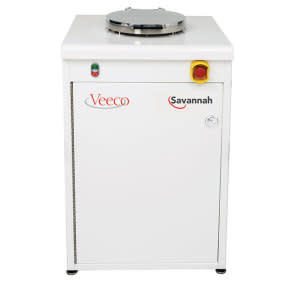
Atomic Layer Deposition (ALD) is a thin film deposition technique that is based on the sequential use of a gas-phase chemical process.
Savannah® is equipped with high-speed pneumatic pulse valves to enable our unique Exposure Mode™ for thin film deposition on Ultra High Aspect Ratio substrates. This proven precision thin film coating methodology can be used to deposit conformal, uniform films on substrates with aspect ratios of greater than > 2000:1.
Atomic Layer Deposition (ALD) — Savannah S100
The Savannah S100 ALD system is a thermal Atomic Layer Deposition tool designed for precise, conformal thin film growth using sequential, self-limiting surface reactions. It enables uniform coating on complex geometries with sub-nanometer thickness control.
Key Features
- Deposition method: Thermal ALD (sequential pulsing and purging)
- High uniformity and conformality on 3D structures
- Thickness control at atomic scale (~Å per cycle)
- Typical operating temperature: 150–250 °C
- Compatible with multiple precursors (e.g., oxides such as TiO₂, Al₂O₃)
- Integrated vacuum system and precursor delivery manifold
- Automated recipe-based operation
How It Operates
- Substrate is loaded into heated reaction chamber
- System is evacuated and stabilized under controlled temperature
- Alternating precursor pulses are introduced into the chamber
- Each precursor reacts in a self-limiting manner with the surface
- Inert gas (N₂) purge removes excess precursor and byproducts
- Repeated pulse–purge cycles build film layer-by-layer
- Film thickness is controlled by number of cycles
Typical Operation Workflow
- Load substrate after chamber reaches operating temperature (~150 °C)
- Pump down chamber and stabilize conditions
- Set N₂ carrier gas flow (typically 5–20 sccm)
- Load or edit deposition recipe (cycle count determines thickness)
- Start automated deposition process
- Monitor pulse signals and system behavior during run
- Unload sample after completion and venting
- Perform purge cycle after deposition
System Components
- Heated reactor chamber with O-ring sealing
- Precursor delivery manifold with ALD valves
- Carrier gas system (N₂) with mass flow control
- Vacuum pumping line with pressure gauge
- Temperature-controlled heaters (reactor, lines, precursor bottles)
- Electronic control unit and software interface
Training and Usage
Users are trained on:
- Recipe creation and cycle control
- Safe precursor handling and valve operation
- Chamber loading/unloading procedures
- Monitoring deposition and troubleshooting
- System purge and shutdown procedures
Safety Considerations
- High temperature operation (≥150 °C) — burn hazard
- Reactive/pyrophoric precursors require strict handling protocols
- Do not open chamber before reaching safe conditions
- Ensure proper purge before disconnecting precursors
- Follow MSDS and cleanroom safety guidelines
Detailed Safety Considerations – Atomic Layer Deposition (ALD) System
The ALD system involves hazards associated with high temperature, reactive and potentially pyrophoric precursors, vacuum systems, pressurized gases, and chemical byproducts. Only trained and authorized users are permitted to operate the system. All users must follow cleanroom protocols, system SOPs, and review relevant safety documentation (SDS) for all precursors prior to operation.
Chemical and Precursor Safety
- ALD processes utilize reactive chemical precursors, some of which may be toxic, corrosive, or pyrophoric (air/moisture sensitive).
- Handle all precursors strictly according to SDS and facility protocols
- Never expose precursors to air unless specifically permitted
- Ensure proper connection of precursor lines before operation
- Do not open precursor containers or lines while pressurized or heated
- Avoid inhalation or skin contact with precursor vapors or residues
- Only approved precursors may be used in the system
Pyrophoric and Reactive Material Hazards
- Certain ALD precursors may ignite spontaneously upon exposure to air or moisture.
- Verify inert environment (N₂ purge) before introducing or removing precursors
- Ensure proper purge cycles are completed before venting or maintenance
- Never disconnect precursor lines without confirming safe conditions
- Report any unusual odor, residue, or suspected leak immediately
High Temperature and Thermal Hazards
- The system operates at elevated temperatures (~150–250 °C or higher).
- Do not touch reactor chamber, precursor lines, or heated components during or immediately after operation
- Allow sufficient cooling time before opening the chamber
- Use appropriate tools when handling substrates
- Be aware that internal surfaces may remain hot even after system shutdown
Vacuum and Pressure Hazards
- The ALD system operates under low-pressure (vacuum) conditions with controlled gas flow.
- Ensure chamber is properly sealed before pump-down
- Never open the chamber under vacuum
- Vent the chamber slowly using prescribed procedures
- Check vacuum lines, seals, and pressure gauges before operation
- Avoid rapid pressure changes that may disturb substrates or damage components
Carrier Gas (N₂) Safety
- Nitrogen (N₂) is used as a carrier and purge gas and may pose asphyxiation risks in confined spaces.
- Ensure proper ventilation in the cleanroom
- Verify gas connections and flow rates before operation
- Do not modify gas lines or regulators
- Close gas supply after use
Byproduct and Exhaust Safety
- ALD reactions generate chemical byproducts that must be safely removed.
- Ensure exhaust and vacuum systems are functioning properly
- Do not operate the system without proper exhaust flow
- Avoid exposure to exhaust gases or residues
- Follow facility protocols for handling exhaust contamination
Mechanical and System Hazards
- The system includes automated valves, heated lines, and pressurized delivery systems.
- Do not manually operate valves outside of system controls
- Avoid contact with moving or actuated components
- Ensure proper system configuration before starting a run
- Do not force any fittings or connections
Contamination Control
- ALD processes are highly sensitive to contamination.
- Use clean, approved substrates and handling tools
- Avoid introducing moisture or contaminants into the chamber
- Ensure precursor lines and chamber are properly purged
- Prevent cross-contamination between different precursor chemistries
PPE Requirements
- Cleanroom garments (as per facility classification)
- Safety glasses
- Chemical-resistant gloves (compatible with precursors)
- Additional PPE (face shield, lab coat, etc.) may be required depending on precursor hazard level.
Operational Safety Checks (Pre-Run)
- Precursor bottles are properly connected and secured
- Chamber is clean and sealed
- Temperature setpoints are correct
- N₂ gas flow and pressure are within limits
- Vacuum system is stable
- Exhaust system is operational
- Recipe parameters are verified
- Interlocks and alarms are functional
Post-Operation Safety
- Ensure complete purge cycle is executed
- Allow system to cool before opening
- Vent chamber slowly
- Remove substrates using appropriate tools
- Verify no residual precursor exposure before handling components
- Log system usage and report abnormalities
Waste Handling and Chemical Residues
- Dispose of contaminated wipes and materials in designated chemical waste containers
- Do not dispose of chemical residues in drains
- Follow facility protocols for precursor waste and contaminated materials
- Handle residual chemicals with appropriate precautions
Emergency Procedures
- Chemical exposure → follow cleanroom emergency response (eyewash/shower as needed)
- Precursor leak → stop system, isolate source, notify staff immediately
- Vacuum failure → terminate process safely
- Overheating → shut down system and report
- Unusual odor or reaction → stop operation and evacuate area if necessary
- Do not resume operation until the system has been inspected and cleared.
General Cleanroom Conduct
- Use only approved precursors and recipes
- Maintain strict cleanliness and dryness of system components
- Avoid unauthorized changes to process parameters
- Report any system irregularities immediately
- Follow all cleanroom chemical handling protocols
Atomic Layer Deposition (ALD) Training – Session Coverage
During the training session, the following topics and steps will be covered:
-
Overview of ALD principles (sequential, self-limiting surface reactions)
-
System components (reactor chamber, precursor manifold, gas system, vacuum system)
-
Cleanroom safety, chemical/precursor safety, and high-temperature operation
-
Substrate preparation and loading procedures
-
Understanding ALD process sequence (pulse → purge → pulse → purge cycles)
-
Precursor handling and delivery system operation
-
Carrier gas (N₂) flow control and purge management
-
Recipe setup (cycle count, temperature, timing parameters)
-
Monitoring deposition process and system behavior
-
Controlling film thickness through cycle number
-
Chamber venting and safe sample unloading
-
Post-process purge and system stabilization
-
Common issues (incomplete reactions, contamination, non-uniform films) and basic troubleshooting
-
Cleanup, contamination control, and system readiness
Note: Training is conducted using standard substrates and facility-approved precursors, focusing on safe operation and understanding of the complete ALD process; users are responsible for carrying and advancing their own research projects.
